
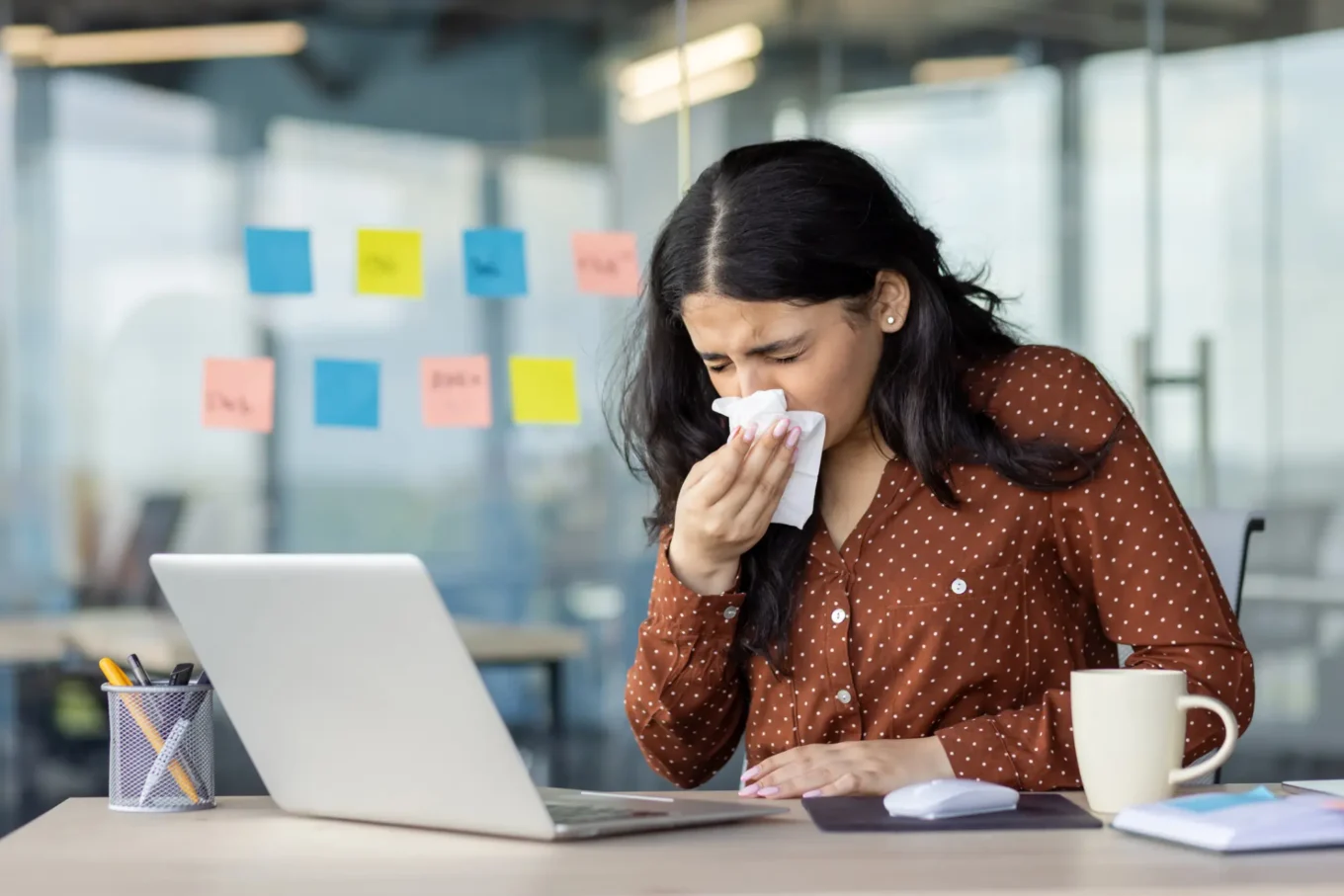
Los Angeles’s climate is not as drastic as the rest of the world in temperature change, but seasonal allergies can still make life unpleasant. Sneezing and allergies may result in cough, congestion, itchy eyes, runny nose and sinus pressure, and work, sleep and daily life. Southern California’s warm climate encourages some allergens to stay active well into fall. Ragweed pollen, mold spores, dust mites and other environmental irritants can cause symptoms. Santa Ana winds can also generate dust and pollen in the air that makes a very hard outdoor environment for allergy sufferers. If you have to wait to visit a ear nose and throat doctor los angeles ca home remedies have been developed to minimize allergy exposure and mild symptoms. Here are some ways to get relief during fall allergy season in Los Angeles.
Rinse Away Allergens With Saltwater
The best way for nasal allergy management is through saline. Saline can also remove pollen, dust, excess mucus and other irritants from the nasal passages. It can help relieve congestion and help with breathing through the nose.
Saline nasal sprays are available from all pharmacies and can be used throughout the day. Neti pots or squeeze bottles can also rinse and clean the nasal passages.
Water safety is of course of utmost importance when designing nasal irrigation devices. With distilled water or boiled and cooled water, you want to avoid being exposed to untreated water.
Saline sprays can help to heal nasal passages in the dry Los Angeles fall weather.
Take a Shower After Spending Time Outdoors
When you’re out there, pollen and other airborne allergens can build up on your hair, skin and clothes.
When particles get into bedding and furniture after a few are transported from outside, they can trigger allergies. Showering after a day outside can remove those allergens from your hair before they make it into your house.
If you were hiking, gardening or at a park, you would have to change your clothes all the way home.
Washing your hair before bed is a good idea because pollen in your hair may get stuck in the pillowcases. It is a simple habit that can lower exposure at night and make you sleep more comfortably.
Use a HEPA Air Purifier Indoors
Outdoor allergens are the most common source of symptoms, but indoor air quality is so important to you.
If windows are open and outdoor air enters the room via ventilation systems, particles, dust, pet dander and mold particles can be present in your home if they enter through windows.
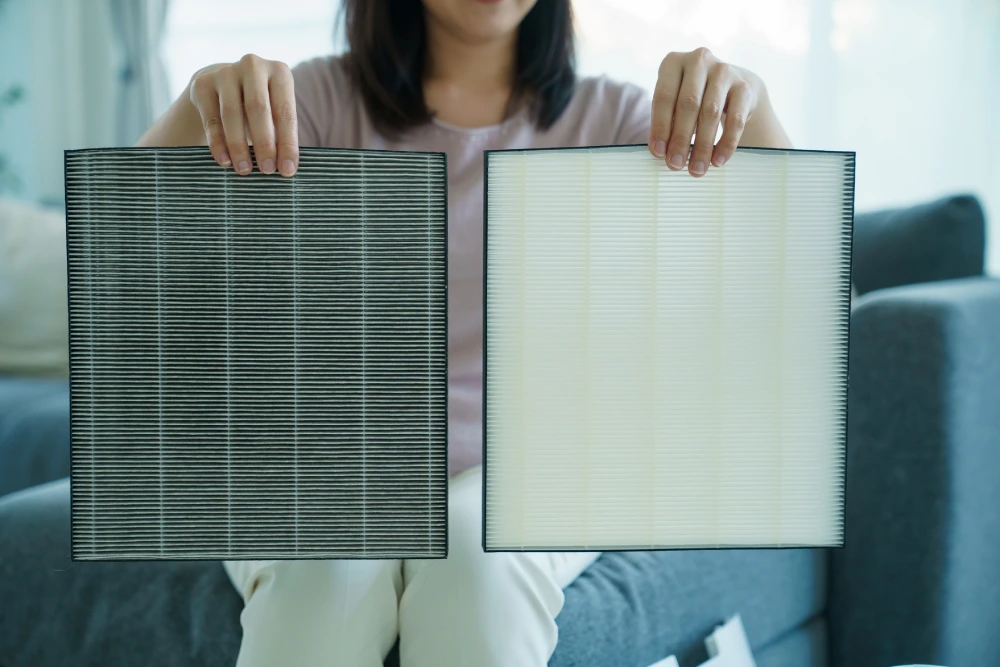
The portable air purifier with a HEPA filter can collect a lot of airborne particles. You can put the proper purifier in your bedroom where you spend several hours every night.
When the pollen level is high, close your windows and doors and do not open them.
Air purifiers are most effective when combined with regular cleaning and other ways of removing allergy triggers, but they do not remove all allergy triggers, especially those that have settled on surfaces.
Use a warm compress to relieve sinus pain
Seasonal allergies cause nasal inflammation and congestion and can result in uncomfortable pressure on the forehead, cheeks and eyes.
If your sinuses are irritated, a warm compress may be helpful for a few minutes. Warm a washcloth with warm water, wring out the excess moisture and put it under your cheeks or forehead for a few minutes.
It’s soothing, but it doesn’t cure allergy inflammation. You can do this again if necessary and make sure the washcloth doesn’t burn your skin.
If someone has extreme facial pain and continues to suffer or has a fever, seek medical care, not assuming allergies are the cause.
Keep Indoor Humidity Under Control
Los Angeles weather is dry in fall when Santa Ana winds sweep through Southern California. Dry air can irritate your nose and throat and cause allergy symptoms.
But too much humidity can be bad for you too. Dust mites and mold thrive in humid environments and can build up in the indoor allergens.
Keep indoor relative humidity around 30%–50%. A small hygrometer will give you a sense of the state of your home.
If the air is very dry, a clean humidifier is very beneficial. Always empty and dry the device according to the manufacturer’s instructions.
Mold can form when humidity is high, so it’s important to avoid it.
Clean Bedding and Household Surfaces
Your bedroom can be a source of allergens from outside like dust mites, pet dander and pollen that is deposited inside clothing or hair.
You’re very aware that you should wash sheets, pillowcases and blankets regularly to keep the allergy exposure down, especially if your symptoms are worse at night or when you get up.
Hot water can be used to wash the bedding to prevent dust mites.
Use a vacuum with a HEPA filter to vacuum carpets and upholstered furniture and wash hard surfaces with water (dry dusting can lead to dust particles in the air).
If dust mites are a common problem, use allergen-resistant mattress and pillow covers.
These steps won’t eradicate allergies, but they can make the sleeping environment better.
Control Pollen Levels and Modify Outdoor Activities
Los Angeles fall allergy symptoms are also linked to weather, wind and other factors that affect allergies in the area.
Prior to leaving, you can access pollen forecasts for planning activities when you’re exposed to lower allergy levels and how you can reduce your exposure to this allergy.
When the weather is windy, it’s better to avoid gardening, hiking or any activity that can expose you to airborne irritants.
When pollen levels are high, keep your car windows closed and use your vehicle’s cabin air filtration system.
If you like to work out outside, it can be helpful to move your workout to a different location or to work out indoors when the weather is bad.
With environmental conditions monitored and examined, there are patterns to be detected and avoid getting too close to your allergy triggers you know, so that they can be identified and avoided.
When Should You See a Doctor for Fall Allergies?
A home remedy can help some people to get over mild seasonal allergy symptoms and others do not.
If congestion, sneezing, itchy eyes or sinus pain are still present (even after taking preventative steps) a doctor may be able to tell if there are reasons for this and how to identify and address them and treat them.
Antihistamines and corticosteroid nasal sprays can also help to control allergy symptoms, depending on your health.
You can seek medical attention if symptoms interfere with sleep, get worse over time or are accompanied by persistent sinus pain. Difficulty breathing or significant wheezing requires prompt medical evaluation.
Fall allergies are common in Los Angeles, but they don’t have to take over your whole season. Reducing allergen exposure, maintaining a cleaner indoor environment and diagnosing symptoms early can help you make the fall feel more comfortable and have a more pleasant time during which you can get back to doing what you need to do and enjoy life.